Share this:
March 1, 2024
The Hidden Crisis: The Growing Plight of Vulnerable Children and the Rise of Orphans Worldwide
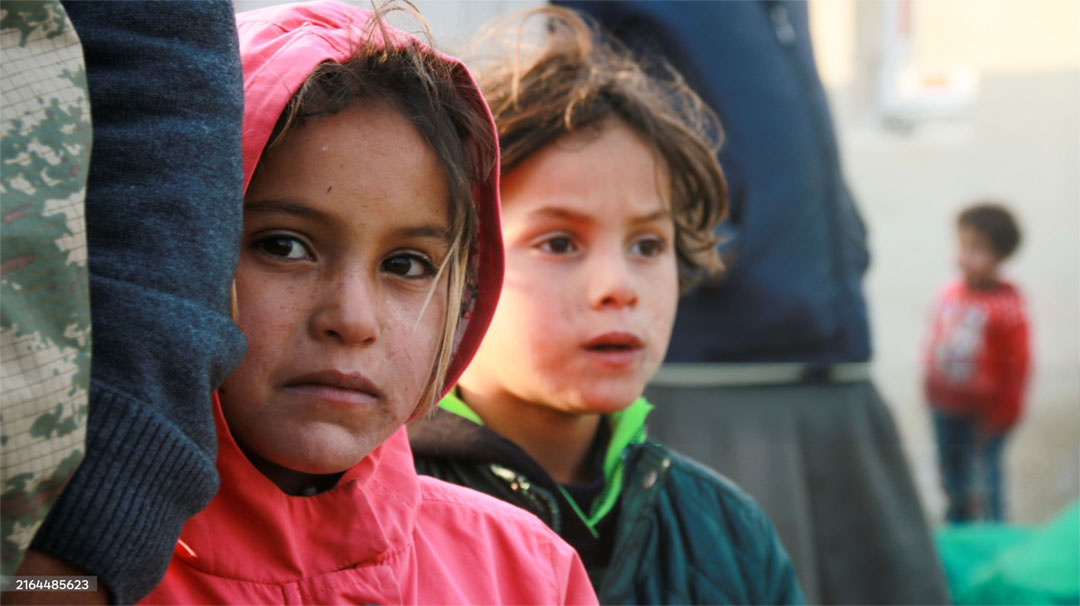
At On The Ground 2030, we are deeply concerned about the rising number of vulnerable children around the world, especially orphans who are left without the protection of their parents due to war, disease, and other crises. These children face unimaginable hardships every day, with many suffering from hunger, abuse, exploitation, and neglect. What is often overlooked in the global conversation is the severity of the crisis facing these young lives, and the lasting consequences of growing up without the security and support that a family provides.
As an organization dedicated to improving the lives of displaced and at-risk populations, we cannot ignore the growing number of orphans in regions affected by conflict, poverty, and instability. The situation is dire, but the world is often unaware of the scale of the crisis.
A Global Crisis: The Surge in Orphans Worldwide
According to the United Nations Children’s Fund (UNICEF), over 140 million children worldwide are currently living without one or both parents. This staggering statistic includes children who have lost their parents due to conflict, disease (including the COVID-19 pandemic), and other humanitarian crises. In conflict zones, the toll is even higher. In regions such as Syria, Yemen, and South Sudan, children are increasingly being orphaned by violence, bombings, and the disintegration of basic healthcare systems.
In Syria alone, over 5.6 million children have been affected by the ongoing war, with thousands being left orphaned as a direct result of the conflict. This is not just a statistic, but a reflection of the harsh reality that children in these regions face daily. Their lives are upended, and they are forced to grow up in environments filled with uncertainty, danger, and loss.
While many orphaned children are taken in by extended family members or communities, the lack of resources and support structures in many crisis-hit regions means that these children often grow up in situations of extreme vulnerability. Without access to proper healthcare, education, or even basic protection, their futures are at risk.
The Hidden Struggles of Orphaned Children
Orphaned children, especially those in conflict zones or impoverished areas, face unique challenges that go far beyond the immediate loss of a parent. The trauma they endure as a result of witnessing violence, losing loved ones, and experiencing displacement cannot be understated. These children are often left without the emotional and psychological support they need to process their grief and rebuild their lives.
For many, the loss of parents also means the loss of the structure, stability, and safety that a family provides. Without a family unit, these children are often forced to grow up on the streets or in overcrowded, under-resourced orphanages that cannot provide the care and attention they desperately need. This lack of support increases their risk of exploitation, trafficking, and child labour.
The emotional toll is equally devastating. Studies have shown that children who experience the loss of a parent, especially in the context of conflict, are more likely to suffer from depression, anxiety, and post-traumatic stress disorder (PTSD). These psychological effects can affect their ability to thrive in later life, perpetuating cycles of poverty and instability.
The Rising Threat of Exploitation and Abuse
As if the loss of parents isn’t enough, orphaned children are often at risk of falling victim to exploitation. In conflict zones and refugee camps, where resources are scarce, vulnerable children are prime targets for human traffickers, child soldiers, and exploitative labour practices. Desperate for survival, many children end up being forced into situations that deprive them of their childhood, safety, and rights.
The exploitation of orphaned children can also extend to sexual abuse and trafficking. In places where the rule of law is weak, these children are left to fend for themselves, making them more vulnerable to predators. Without the protection of a parent or guardian, they become easy targets in a world that offers little support.
On The Ground 2030: Supporting Orphaned Children and Vulnerable Youth
At On The Ground 2030, we recognize the urgent need to address the plight of orphaned and vulnerable children, particularly those living in crisis zones. Our work focuses on providing these children with the essentials they
- Access to Education: Education is a powerful tool for breaking the cycle of poverty. Through our educational initiatives, we offer orphaned children the opportunity to learn, grow, and develop the skills they need for a better future. Education is not just about academics—it provides a sense of hope and purpose that is critical to their emotional recovery.
- Healthcare and Psychological Support: We know that orphaned children often carry invisible wounds, whether physical or emotional. That’s why our programs offer access to medical care, including trauma-informed mental health services. Our psychological support initiatives are designed to help children process their trauma, providing them with the tools to heal.
- Safe Spaces and Community Support: Through safe spaces and community programs, we ensure that orphaned children are protected from harm. These spaces allow children to play, express themselves, and connect with others who understand their experiences. These moments of connection are critical in their recovery.
- Family Care Programs: Whenever possible, we work to connect orphaned children with extended family members to provide better care options. Keeping children within a family structure is one of the best ways to ensure they are safe and supported. We also advocate for policies that protect the rights of orphaned children and provide them with a chance at a better life.
A call to action to the world community: The Need for Global Support
The rise of orphans and vulnerable children is a crisis that demands global attention. The numbers are staggering, but the stories of these children are even more heartbreaking. At On The Ground 2030, we believe that no child should be left behind or forgotten. We are committed to providing support for these children, but we cannot do it alone.
The international community must do more to address the needs of orphaned children, particularly those in conflict zones and refugee camps. Governments, NGOs, and individuals all have a role to play in ensuring that these children are given the opportunity to heal, grow, and thrive.
The journey toward recovery is long, but with your support, we can ensure that orphaned children receive the care, protection, and opportunities they need to build a brighter future. Together, we can help turn the tide on this hidden crisis and create a world where every child has a chance at a happy, healthy life—no matter their circumstances.